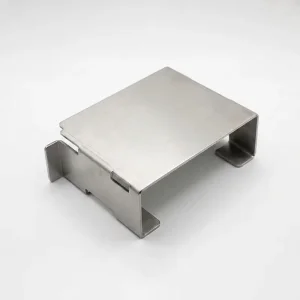
Featured Precision Component Assemblies
Explore our primary OEM/ODM high-precision engineered solutions manufactured for tier-1 industrial applications worldwide.
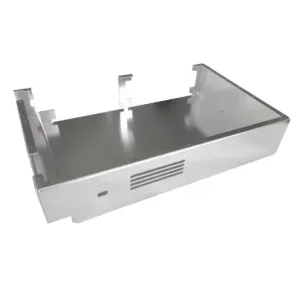
China Custom Precision Sheet Metal Fabrication Stainless Steel & Aluminum Cabinet Enclosures
Request Quote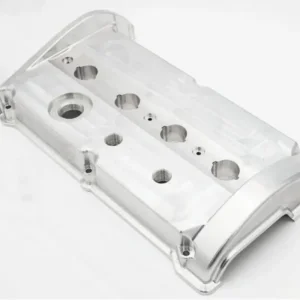
High-Quality High-Precision CNC Machined 7075 Aluminum Billet Engine Valve Cover - Custom Performance Solution
Request Quote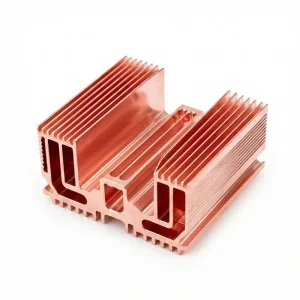
High-Quality High-Performance Copper Heatsink | Top Suppliers for Thermal Solutions in Electronics
Request Quote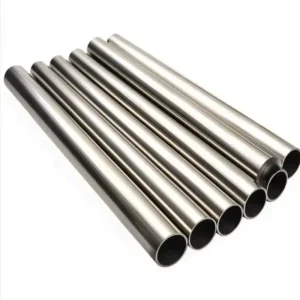
China Custom Precision Capillary Stainless Steel Pipe & Tube Suppliers - OD 1mm to 8mm
Request Quote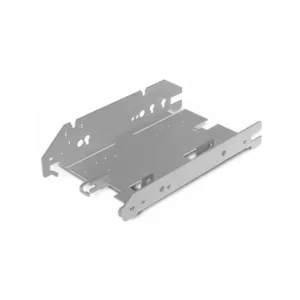
ODM Custom Precision Sheet Metal Brackets & Stamping Parts for Electronic Devices
Request Quote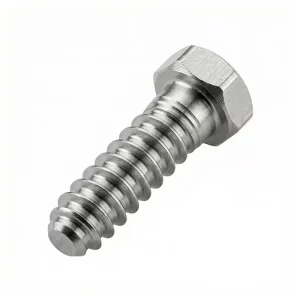
China Bone Screw Suppliers - Premium Titanium Medical Implants from Trusted Factory Exporters
Request Quote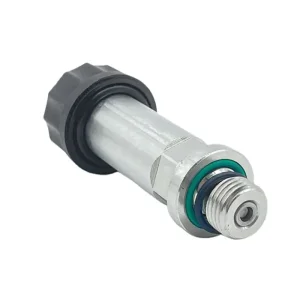
High-Performance Hydraulic Solenoid Valve Core – Precision CNC Turned Excavator Spare Parts
Request Quote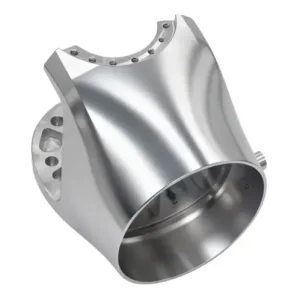
ODM High-Precision Custom 5-Axis CNC Machined Robot Joints & Housing Parts
Request QuoteGlobal Industrial Landscape of Sheet Metal Assembly Manufacturing
Analyzing the macro-economic and technical shifts driving demand for complex multi-process structural fabrications.
In the modern industrial equipment sector, sheet metal assembly has transitioned from basic structural enclosure fabrication into a sophisticated cross-disciplinary engineering domain. Contemporary assemblies demand seamless integration of high-precision fiber laser cutting, automated CNC press brake bending, robotic TIG/MIG welding, hardware insertion, and advanced chemical surface treatments. As OEMs push for lighter, structurally resilient, and thermally optimized designs, the global sheet metal assembly market is projected to expand significantly, driven by rapid advancements in robotics, telecommunications infrastructure, electric vehicle (EV) battery housing, and medical device manufacturing.
Procurement teams today face dual pressures: reducing landed component cost while demanding micro-level mechanical tolerances. Standard sheet metal operations often fail when transitioning from prototype development to high-volume production due to cumulative tolerance stack-ups across multi-part assemblies. Superior suppliers differentiate themselves not merely by equipment ownership, but through comprehensive Design for Manufacturability (DFM) reviews that mitigate thermal distortion during welding, preserve coating thickness consistency, and guarantee perfect mechanical alignment during final system integration.
High-Mix Low-Volume Demand
Global buyers require agile supply partners capable of supporting rapid engineering change orders (ECO) without incurring crippling tooling costs or schedule delays.
Tolerance Stack Management
Complex weldments demand stringent control of GD&T (Geometric Dimensioning & Tolerancing) to prevent assembly binding and structural fatigue failure.
Corrosion & Environmental Shielding
Enclosures exposed to severe outdoor environments (IP65/IP66) require pre-treatment passivation, e-coating, and ASTM-compliant salt-spray performance.
China's Factory Efficiency Advantage in Precision Sheet Metal
How ecosystem density, engineering talent, and vertically integrated supply chains deliver unmatched time-to-market speed.
China’s sheet metal fabrication sector has evolved beyond simple low-cost manual assembly into automated, technology-driven smart manufacturing hubs. Regional clusters—such as the Pearl River Delta (Shenzhen-Dongguan)—offer an unparalleled density of raw material suppliers, specialized surface finishers, toolmakers, and hardware hardware vendors within a 50-kilometer radius.
-
Material Traceability & Variety: Instant access to certified mill stock including AL 5052-H32, 6061-T6, SUS 304/316L, SECC, SPCC, and oxygen-free copper plates.
-
In-House Tooling & Fixture Fabrication: Rapid development of specialized bending dies, check gauges, and welding jigs in days rather than weeks.
-
24/7 Production Velocity: Continuous shift scheduling paired with automated laser loading/unloading reduces total PO-to-delivery lead times by up to 45%.
| Efficiency Metric | Western Domestic Sourcing | China Advanced Factory |
|---|---|---|
| Prototype Lead Time | 2 – 4 Weeks | 3 – 7 Days |
| Custom Tooling Cost | High ($5,000+) | Economical ($1,200) |
| Process Integration | Subcontracted / Fragmented | Turnkey In-House Operations |
| DFM Feedback Loop | 3 – 5 Business Days | Within 24 Hours |
| Scalability Potential | Capacity Constrained | Rapid Multi-Cell Expansion |
Sector-Specific Sheet Metal Engineering Solutions
Customized assembly protocols tailored to meet vertical industry specifications and regulatory standards.
Telecom & Server Infrastructure
19-inch rack-mount chassis, outdoor telecom base station cabinets, and PDU enclosures designed for optimal airflow thermal management, EMI/RFI shielding, and IP66 ingress protection.
Medical Equipment & Life Sciences
Precision stainless steel diagnostic equipment housings, cart frames, and sterile internal brackets requiring ultra-smooth passivated surfaces, zero sharp edges, and strict ISO 13485 cleanability.
Industrial Automation & Robotics
Heavy-duty machine bases, articulated robot arm covers, power distribution boxes, and safety enclosures built to withstand high dynamic loads and vibration environments.
Renewable Energy & EV Infrastructure
Solar inverter structural frames, commercial battery storage racks (ESS), and EV charging station enclosures featuring heavy-gauge galvanized steel and anti-vandalism structural design.
Automotive & Transportation
Custom engine bay component covers, structural brackets, exhaust heat shields, and battery tray support weldments engineered under strict IATF 16949 quality frameworks.
High-Power Thermal Management
Integrated copper and aluminum heat sinks, skived fin assemblies, and liquid cold plate sheet metal backing assemblies engineered for maximum dissipation efficiency.
End-to-End Sheet Metal Assembly Process Capability
From raw sheet selection to automated final inspection: a rigorous, fully integrated production workflow.
High-Speed Laser Profiling
Utilizing high-power fiber lasers (up to 12kW) to achieve nitrogen-assisted clean cuts on mild steel, stainless steel, and aluminum plates up to 25mm thick with ±0.05mm positioning accuracy.
Precision CNC Bending
Multi-axis electro-hydraulic press brakes equipped with laser angle measurement systems ensure consistent bend angles (±0.2°) across long production runs without material crowning.
Advanced Hardware Insertion
Automated insertion machines install PEM® self-clinching nuts, studs, standoffs, and rivets with precise torque and pull-out resistance verification.
Certified Structural Joining
Manual and robotic TIG, MIG, Resistance Spot Welding (RSW), and Laser Welding capabilities. Welders are certified to AWS D1.1/D1.2 standards to prevent seam cracking and leaks.
Surface Finishing & Coating
Automated pre-treatment washing lines followed by electrostatic powder coating, anodizing (Type II/III), zinc plating, passivation, or screen printing for maximum longevity.
CMM & Final QC Validation
Coordinate Measuring Machine (CMM) dimensional verification, 3D laser scan inspection, weld penetration checks, and salt-spray environmental testing prior to export packing.
Emerging Trends Shaping the Future of Sheet Metal Assembly
How Industry 4.0, Artificial Intelligence, and green manufacturing are transforming custom sheet metal fabrication.
AI-Assisted DFM Analysis
Intelligent CAD analysis software automatically identifies tight bend radii, unfeasible weld seam locations, and material scrap inefficiencies during the initial design phase, cutting engineering iteration time by 60%.
Robotic Welding Cells
Fully automated 6-axis robotic welding cells paired with vision systems ensure consistent weld seam geometry, minimal heat-affected zones (HAZ), and structural integrity across thousands of identical units.
Sustainable & Circular Materials
Increasing focus on low-carbon footprint aluminum alloys, closed-loop scrap recycling systems, and zero-VOC powder coating processes to meet corporate ESG targets and European CBAM compliance.
Strategic Procurement Guide for Global Enterprise Buyers
Key criteria for evaluating, qualifying, and managing custom sheet metal assembly partners worldwide.
When selecting a sheet metal assembly manufacturer, global supply chain executives must look beyond initial piece-price quotes. Low unit prices often hide significant downstream expenses resulting from out-of-spec dimensions, late deliveries, or poor surface finish durability. A comprehensive vendor qualification framework should evaluate three structural pillars:
1. Engineering Competence
Does the supplier provide actionable DFM reports? Can they propose cost-saving design tweaks (e.g., replacing expensive machined blocks with stamped sheet metal weldments) without compromising part strength?
2. Quality Assurance Protocols
Ensure the facility operates under certified ISO 9001:2015 or IATF 16949 systems. Verify that First Article Inspection (FAI) reports, raw material heat certifications, and CMM dimension logs accompany production lots.
3. Total Cost of Ownership (TCO)
Evaluate shipping logistics efficiency, duty structures, protective packaging design (custom foam inserts, export-grade wooden crates), and financial stability to mitigate supply disruption risk.
Frequently Asked Questions
Expert answers to common technical, quality, and procurement questions regarding sheet metal assemblies.
What tolerances can your sheet metal fabrication facility achieve?
Which materials are commonly used in precision cabinet and enclosure assemblies?
How do you prevent thermal deformation and distortion during welding?
What surface finishing options do you offer in-house and through audited partners?
What is your typical lead time for custom prototype samples and mass production?
How do you protect customer Intellectual Property (IP) and proprietary CAD files?
Explore More Precision Engineering Solutions
Discover our broader catalog of custom hardware, turned parts, castings, and structural fabrications.
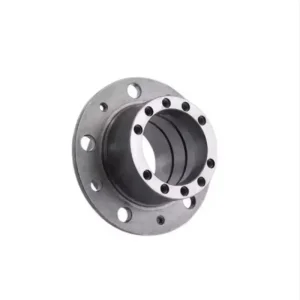
OEM Custom OEM Iron & Steel Sand Casting Wheel Hub Suppliers, Exporter
Request Quote
China High-Transparency PC Optical Components - Custom Precision Injection Molded Solutions
Request Quote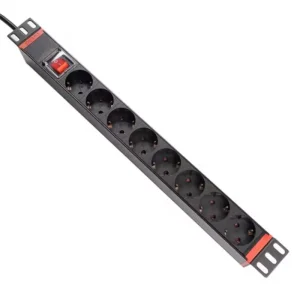
China Custom 8-Way German Standard 16A Rack-Mount PDU Power Strip
Request Quote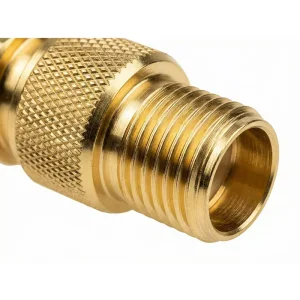
Custom High-Precision Knurled Brass Threaded Connector for Optimal Gas Sealing
Request Quote
China High-Performance Copper Heatsink Factory for Maximum Thermal Conductivity in Electronics
Request Quote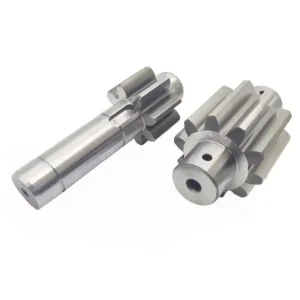
ODM Automotive Transmission System Custom CNC Machined Spur Gear & Gear Shaft Products
Request Quote
OEM Custom Precision Sheet Metal Fabrication - Stainless Steel & Aluminum Cabinet Enclosures
Request Quote