Precision Automotive CNC Machined Components
Explore our factory-direct custom engineered solutions built to exact client CAD specifications.
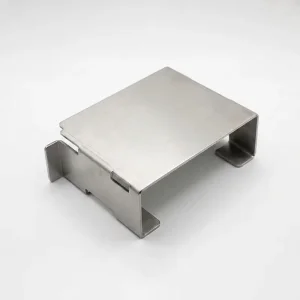
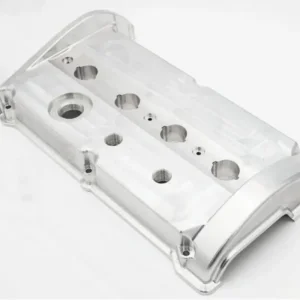
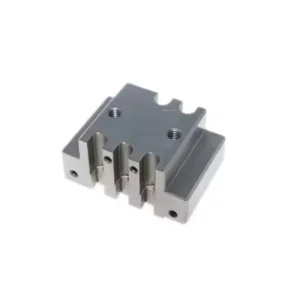
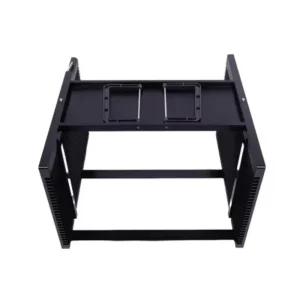
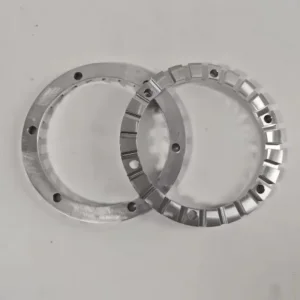
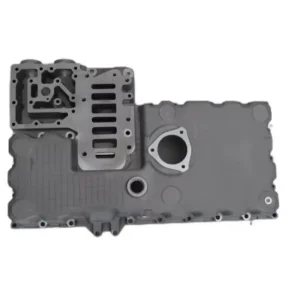
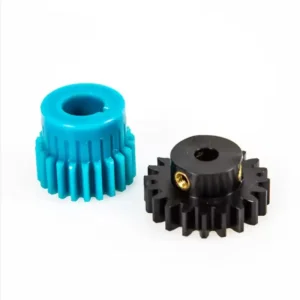
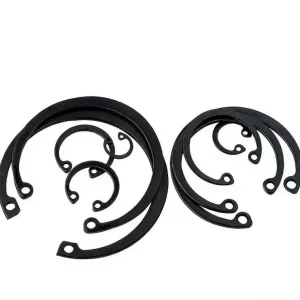
The Next Paradigm in CNC Auto Parts Manufacturing: Precision Engineering & High-Volume Scalability
In the rapidly changing global automotive landscape, the demand for high-precision, structural-grade, and thermally resilient metal and polymer components has reached an unprecedented peak. Modern vehicle architectures—spanning high-efficiency Internal Combustion Engines (ICE), hybrid powertrains, and high-voltage Electric Vehicles (EVs)—require mechanical hardware that operates under extreme mechanical stress, harsh thermal cycles, and tight weight budgets. As a premier CNC Auto Parts Manufacturing Supplier & Factory based in China’s advanced hardware technology hub, we bridge the critical gap between prototype engineering and zero-defect mass production.
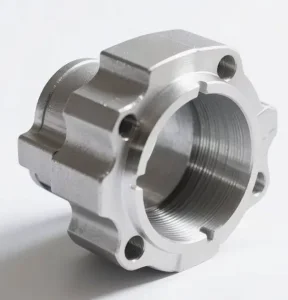
Computer Numerical Control (CNC) machining has evolved from basic multi-pass turning and milling into an interconnected digital ecosystem. Utilizing multi-axis simultaneous machining centers (including 3-axis, 4-axis, 5-axis DMG MORI, and HAAS platforms coupled with high-speed Renishaw touch probes), our manufacturing infrastructure delivers millimetric accuracy and micron-level repeatability. Whether producing aerospace-grade 7075-T6 aluminum engine valve covers, low-pressure cast aluminum transmission oil pans, high-wear POM plastic gears, or custom stainless steel mounting brackets, our engineered production lines adhere strictly to APQP (Advanced Product Quality Planning) and PPAP (Production Part Approval Process) Level 3 requirements.
5-Axis Milling & Complex Geometries
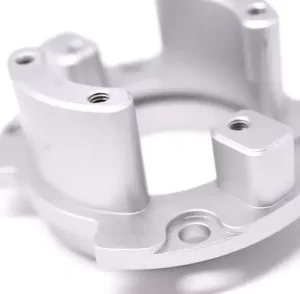
Single-setup 5-axis continuous milling eliminates stack-up positional error on complex engine mounts, turbocharger impellers, and EV motor housings, guaranteeing axial alignment and coplanarity.
Metrology-Grade Inspection
In-house Zeiss CMMs, optical coordinate scanners, and X-ray flaw detectors verify dimensional geometric dimensioning and tolerancing (GD&T) features prior to batch release.
Advanced Metallurgical Science
Complete material lot traceability from certified raw billet stock through heat treatment (T6, T4, Annealing) to customized surface finishes including Type III Hardcoat Anodizing.
Why Global Automotive Tier-1 OEMs Sourcing CNC Parts Choose China Factories
The international automotive supply chain demands rapid iteration, rapid scaling, and stringent cost control without compromising structural integrity. Over the past two decades, China’s precision CNC manufacturing ecosystem has transformed from low-cost component production into a high-tech powerhouse of automated, smart-factory engineering. Sourcing custom automotive hardware directly from specialized Chinese manufacturing partners provides global procurement leaders with distinct competitive advantages:
Turnkey Ecosystem Integration
Within a single localized industrial zone in Guangdong, raw material forging, precision 5-axis turning, heat treating, chemical anodizing, and multi-sensor testing operate in seamless synchrony. This reduces manufacturing lead times from months to days.
Optimal Total Cost of Ownership (TCO)
Leveraging highly automated multi-spindle CNC equipment and optimized toolpath strategies, Chinese suppliers achieve substantial unit-cost reductions while maintaining ISO/IATF quality standards equal to Western counterparts.
Agile DFM Engineering Feedback
Our bilingual engineering team performs comprehensive Design for Manufacturability (DFM) analyses within 24 hours of CAD receipt, suggesting geometry tweaks, wall-thickness adjustments, and tool access optimizations to lower cost.
Macro Industry Trends: Electric Vehicle (EV) Transition, Lightweighting & AI-Driven Precision
The automotive engineering domain is undergoing its most radical transformation since the invention of the assembly line. As global climate regulations mandate lower emissions and zero-emission vehicles take center stage, CNC automotive component manufacturing is shifting rapidly toward specialized lightweight alloys, hybrid polymer-metal structures, and autonomous vehicle sensor housings.
1. EV Lightweighting & Structural Alloy Optimization
Every kilogram saved in an electric vehicle directly extends battery range. Traditional heavy cast iron chassis brackets are being aggressively replaced by high-strength, low-density aluminum alloys (7075-T6, 6061-T6, 6082-T6) and magnesium alloys. Modern CNC machining plays a pivotal role in removing excess material from cast blanks, creating thin-walled, rib-reinforced structural components like battery tray mounting brackets and suspension control arms that withstand severe impact loads without buckling.
2. Autonomous Sensor & Optical Housing Rigidity
Level 3 and Level 4 autonomous driving systems rely heavily on LiDAR, RADAR, and high-resolution camera modules mounted around the vehicle perimeter. These optical systems require hermetically sealed, vibration-dampened housings machined to micron-level tolerances. CNC turning and milling of anodized sealing rings and aluminum sensor frames guarantee that sensitive optical alignment remains stable across extreme temperature ranges (-40°C to +125°C).
3. Thermal Management & Fluid Control Components
Electric drivetrains demand complex liquid cooling channels to prevent thermal runaway in battery packs and power electronics. Advanced 5-axis CNC milling allows for the machining of intricate fluid channels, low-pressure cast clutch oil pans, and high-efficiency heat sink fins directly into structural engine retarders and transmission housings.
Localized Application Scenarios in High-Performance Automotive Systems
Our custom manufactured CNC parts are deployed across demanding environments within the commercial and consumer automotive sectors:
Powertrain & Engine Modifications
Billet aluminum 7075-T6 valve covers, custom camshaft caps, high-flow throttle body adapters, and intake manifold flanges engineered to withstand high blow-by pressures and oil corrosion.
Heavy Commercial Transmissions
Low-pressure cast and CNC post-machined aluminum clutch oil pans and transmission retarders designed for heavy trucks, ensuring leak-free performance under fluid dynamics pressures.
Precision Mechanical Fastening
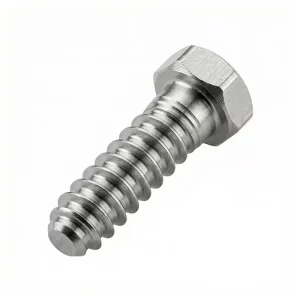
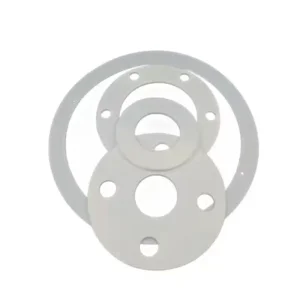
DIN 471 external retaining rings, PTFE sealing gaskets, and stainless steel mounting studs created for automotive assembly lines requiring reliable snap-fit torque retention.
Comprehensive CNC Manufacturing Capability Matrix
Our engineering infrastructure is audited and optimized to meet rigorous automotive industry specifications.
| Manufacturing Parameter | Factory Capabilities & Standards | Quality Assurance Protocols |
|---|---|---|
| Machining Equipment | 3-Axis, 4-Axis, 5-Axis Simultaneous CNC Machining Centers, Swiss Lathes | Laser Interferometer Calibration & Dynamic Ballbar Testing |
| Standard Tolerances | Linear: ±0.01 mm; Critical Features: ±0.005 mm (±0.0002 in) | In-process probing (Renishaw), 100% CMM batch verification |
| Supported Metals | Aluminum (6061-T6, 7075-T6, 2024, AlSi10Mg), Stainless Steel (304, 316L, 17-4PH), Titanium Gr 5, Brass, Copper Alloys | Spectrometer chemical composition check & Mill Material Test Reports (MTR) |
| Engineered Polymers | POM (Delrin/Acetal), PTFE (Teflon), PEEK, Nylon 66, ABS, Polycarbonate | Thermal stress relief conditioning & durometer hardness testing |
| Surface Finishing Options | Type II/III Hardcoat Anodizing, Electro-polishing, Powder Coating, Passivation, Zinc Plating, Bead Blasting (Ra 0.4μm) | Salt Spray Fog Testing (ASTM B117), Coating Thickness Gauging |
| Quality Certifications | ISO 9001:2015, IATF 16949:2016 system aligned, RoHS & REACH compliant | APQP, PPAP Level 3, FMEA, FAI (First Article Inspection) Reports |
Meeting the Sourcing Demands of Global Automotive Supply Chains
Procurement directors and supply chain managers face multifaceted challenges: supply chain volatility, demand fluctuations, strict defect tolerances, and stringent intellectual property protections. As a dedicated OEM/ODM manufacturing factory, we structure our commercial processes around enterprise buyer priorities:
Zero-Defect Quality Policy (PPM Management)
By integrating automated Poka-Yoke fixtures, Statistical Process Control (SPC) charting during machining runs, and mandatory CMM final inspections, we target sub-50 PPM (Parts Per Million) defect rates for serial automotive deliveries.
Strict Intellectual Property (IP) Safeguards
We enforce strict non-disclosure agreements (NDAs) prior to receiving proprietary CAD datasets. Secure encrypted servers and restricted facility access ensure that confidential vehicle designs remain completely protected.
Flexible Scale: Prototypes to Mass Production
Our flexible manufacturing lines support early-stage low-volume prototype builds (1-10 units) via fast CNC setup, seamlessly transitioning into high-pressure die casting or low-pressure casting with post-CNC finishing for annual runs exceeding 500,000 units.
Frequently Asked Questions (FAQ) - Sourcing CNC Auto Parts
Everything engineering and procurement teams need to know before initiating a quote.
What is your standard lead time for prototype samples versus mass production?
For CNC machined prototypes, standard turnaround is 5 to 7 working days upon 3D CAD confirmation. Mass production runs (e.g., 5,000 to 50,000 components) typically ship within 15 to 25 calendar days depending on secondary surface finishing and heat treatment specifications. Fast-track options are available upon request.
What dimensional tolerances can your CNC factory consistently hold?
Our standard CNC milling and turning tolerance is ±0.01 mm (0.0004 in). For critical automotive mating faces, bearing seats, and valve guides, our high-precision grinding and 5-axis finishing centers hold tight tolerances down to ±0.005 mm (±0.0002 in), fully verified via CMM inspection reports.
Which quality control documentation is supplied with custom shipments?
Every shipment includes a comprehensive Quality Pack: Material Test Reports (MTR / Mill certificates), Chemical & Mechanical Property Verification, Full Dimensional CMM Inspection Reports, First Article Inspection (FAI) reports, and RoHS / REACH Compliance documentation. PPAP Level 3 documentation is provided for serial automotive contracts.
How do you handle complex automotive geometries requiring multiple manufacturing steps?
We provide true single-source manufacturing. For example, a heavy transmission oil pan may begin as a low-pressure aluminum sand or die casting, followed by 5-axis CNC flange milling, thread tapping, automated ultrasonic cleaning, shot-blasting, and pressure decay leak testing—all managed under one factory roof.
What 3D file formats do you accept for quotation and DFM analysis?
We accept all standard CAD file formats including STEP (.stp), IGES (.igs), SolidWorks (.sldprt), Creo (.prt), and AutoCAD (.dwg / .dxf). PDF 2D engineering drawings showing critical tolerances and GD&T callouts should accompany 3D models.
High-Performance Automotive & Industrial Alloys
Factory-direct turned, milled, and molded components exported globally.