
Top Copper Machining Parts Manufacturers in China?

Time:2026-11-14 Author:Amelia
0%

Choosing a reliable source for Copper Machining Parts takes more than comparing prices. Copper conducts heat and electricity exceptionally well, but it can also be soft, sticky, and demanding to machine. A thin burr around a connector bore or a rough edge on a busbar may affect fit, assembly, or finishing. Small details matter.

This guide examines manufacturers in China through practical factors: machining capability, material traceability, inspection methods, communication, and delivery consistency. Buyers should ask about copper grades, tolerances, surface finish, and how suppliers control burrs. A polished website is not proof. Ask for sample parts, inspection records, and clear answers about production equipment.

A note on attribution: no source material or verified expert quotation was provided, so I will not invent a statement or assign one to a real specialist. One useful principle for this comparison is: “A specification is only useful when the shop can measure and repeat it.” That is an editorial guideline, not a quotation from a named expert. Still, rankings have limits. A supplier suited to high-volume electrical contacts may not fit a prototype heat sink. The best choice depends on the part, the drawing, and the evidence behind each promise.
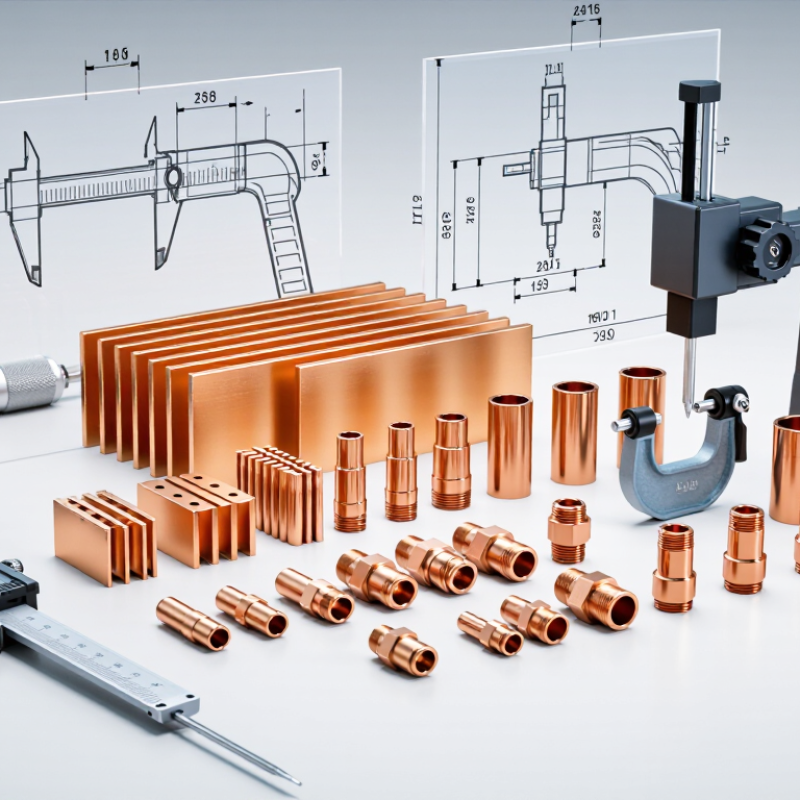
Top Copper Machining Parts Manufacturers in China?

Copper Machining Parts: Materials, Properties, and Applications

Copper machining parts are made from pure copper or alloys such as brass and bronze. The material choice affects conductivity, strength, and cutting behavior. Pure copper carries heat and electricity well, but its softness can cause burrs or a smeared finish. Brass is often easier to machine, while some bronzes provide useful wear resistance. These are tendencies, not guarantees.

For a machined terminal, busbar, or sensor housing, engineers balance current flow against stiffness and dimensional stability. Tool sharpness, feed rate, and chip removal matter because copper can cling to a dull cutting edge. A burr around a drilled hole may interfere with assembly or reduce contact quality. Keep tolerances realistic. Tighter is not always better.

Common applications include electrical connectors, heat exchangers, plumbing fittings, and precision instrument components. Parts may be turned, milled, drilled, or plated to suit their design and operating environment. Specify the alloy grade, conductivity requirement, surface finish, and inspection points on the drawing. Ask a machining supplier in China for sample measurements and material records. Records help, but they do not replace checking the finished part.

Copper Machining Materials: Typical Electrical Conductivity

A comparison of representative copper and copper-alloy grades used in machined components.

Conductivity is shown as a percentage of the International Annealed Copper Standard (IACS); values are representative and can vary with temper and processing. C10100 and C11000 are commonly selected for electrical parts and conductors, while C14500 is used for conductive components that benefit from improved machinability. C36000 is valued for free-machining fittings, and C17200 for high-strength parts such as springs and contacts.

Common Processes for Manufacturing Copper Components

Copper components are commonly produced through CNC turning, milling, drilling, stamping, and forming. For connectors and busbar details, machining can create accurate holes, slots, and flat contact faces. Copper is ductile, so sharp tools and controlled feeds help prevent smearing and built-up edges. Tool paths should avoid rubbing. A clean cut matters. Coolant can reduce heat and help clear chips, but the right setup depends on the copper alloy and part geometry. Thin walls may distort under clamping, so use even pressure.

Sheet copper is often stamped or bent when parts need consistent shapes in larger quantities. Bend radius and material temper affect springback and cracking; a test bend can reveal problems early. Small batches may suit machining better, though setup time still matters. Components can also be joined by soldering, brazing, or welding, depending on strength and thermal requirements. After production, remove burrs and inspect dimensions, surface finish, and contact areas. A tiny raised edge can interfere with assembly. Electrical resistance should be checked when the component’s function depends on it. The process choice is rarely perfect; cost, precision, and material waste may pull in different directions.

How to Evaluate Copper Machining Manufacturers in China

How to Evaluate Copper Machining Manufacturers in China

Start with the part, not the supplier’s sales claims. Share a drawing that specifies dimensions, tolerances, threads, surface finish, and expected quantities. Copper conducts heat quickly and can smear during cutting, so ask how the shop selects tools, cutting parameters, and workholding. Specific answers are more useful than broad promises. Ask whether the proposed process suits your copper grade and part geometry.

Request a sample made with the intended production method. Measure critical features, inspect threaded holes, and look closely for burrs, chatter marks, or inconsistent edges. A polished sample is not enough. Ask for inspection records and material documentation, then confirm that the measurement tools match the tolerances on your drawing. If possible, review how the shop controls changes between batches. This can reveal gaps that a sample alone may miss.

Check the machines, maintenance practices, and operators’ experience with copper components. Ask how scrap is handled and whether secondary work, such as deburring, is included in the quote. Compare pricing alongside lead time, inspection scope, and packaging; the lowest price may leave important work unspecified. Communication matters, too. A capable supplier should flag unclear dimensions before machining, although no evaluation method catches everything. A little uncertainty is normal.

Leading Copper Machining Parts Manufacturers in China

Leading copper machining parts manufacturers in China compete through process control, not just machine count. Buyers should check alloy traceability, dimensional inspection, burr removal, and documented sampling plans. A turned copper terminal may look simple, yet a small bore variation can affect fit and electrical contact. Ask suppliers to show inspection records for the actual part family, not only a general quality certificate. Details matter.

Demand gives this work wider industrial context. The USGS Mineral Commodity Summaries 2025 estimates global copper mine production at about 23 million tonnes in 2024. The International Copper Study Group’s October 2024 outlook projected refined copper usage growth of 2.2% in 2024 and 2.7% in 2025. These figures do not measure machining demand directly, but they show why dependable material sourcing matters. Strong manufacturers can explain how they manage bar-stock consistency, tool wear, and inspection when orders scale.

For a fair comparison, request sample parts, material certificates, tolerance reports, and clear lead-time assumptions. Match the supplier’s equipment to the geometry: Swiss turning suits slender pins, while milling may better handle flat contact faces. A modest concern remains. Polished samples can conceal production variation, so trial runs and repeat inspections are worth the extra time. A low quote is not proof of a stable process.

Key Factors for Choosing a Chinese Manufacturing Partner

Top Copper Machining Parts Manufacturers in China?

Choosing a Chinese manufacturing partner for copper parts takes more than comparing unit prices. Ask how the supplier handles copper’s softness, heat, and tendency to form burrs during cutting. A capable team can explain its machining process, tolerances, and inspection methods in plain terms. Look for evidence, such as sample reports and measured parts.

Tips: Share a clear drawing, material grade, tolerance range, and expected order volume. Request a first-article inspection before approving a production run. Measure twice.

Check whether the factory has suitable CNC equipment and can maintain consistent dimensions across batches. Ask how it monitors tool wear and controls surface finish, especially around small holes or thin walls. Reliable communication matters too: confirm who answers technical questions and how problems are documented. A low quote can be tempting, but unclear inspection records are a real risk. I would not assume every supplier follows the same process; verify the details against your part and application. Ask for evidence.

FAQS

Which processes are commonly used to make copper components?

CNC turning, milling, drilling, stamping, and forming are common choices. The right process depends on shape, quantity, and required accuracy.

Why can copper be difficult to machine?

Copper is soft and ductile, so it may smear or form built-up edges. Sharp tools and controlled feeds help. A clean cut matters.

How can manufacturers reduce distortion in thin copper parts?

Thin walls can bend under clamping pressure. Even pressure and careful workholding can help keep them flat, though results vary by geometry.

When is stamping or bending a good option?

Sheet copper may suit stamping or bending when many consistent parts are needed. Bend radius and material temper affect springback and cracking. Test bends help.

How should a supplier inspect finished copper parts?

Ask for checks of dimensions, surface finish, burrs, and contact faces. A tiny raised edge can disrupt assembly. Details matter.

What should buyers share before requesting a quote?

Send a clear drawing, material grade, tolerance range, and expected order volume. Missing details can make pricing and production assumptions unreliable.

How can buyers assess a manufacturing partner’s quality controls?

Request sample inspection reports and a first-article inspection. Ask how the team tracks tool wear and maintains dimensions across batches. Verify the evidence.

Should the lowest quote decide the supplier?

Not by itself. Compare inspection records, technical communication, and process details. I would still question unclear records; a low price proves little.

Conclusion

Copper Machining Parts are valued for their electrical and thermal conductivity, corrosion resistance, and workability. These properties make copper components suitable for applications such as electrical connections, heat exchangers, plumbing systems, and industrial equipment. Manufacturers can produce them through processes including CNC milling and turning, drilling, cutting, and finishing, with the right method depending on the part’s geometry, tolerances, material grade, and intended use.

When evaluating copper machining manufacturers in China, consider their equipment, process capabilities, quality-control practices, production capacity, communication, and ability to meet delivery requirements. Compare potential suppliers using sample parts, clear specifications, and consistent criteria rather than relying on price alone. The best manufacturing partner is one that understands the application, offers dependable technical support, and can maintain quality from initial production through repeat orders.

Amelia

Amelia

Amelia is a seasoned marketing professional with a wealth of expertise in our company’s core offerings. With an unwavering passion for driving growth and innovation, she plays a pivotal role in shaping our marketing strategies and enhancing brand visibility. A key aspect of her responsibilities......