
2026 Top Aluminum CNC Machining Suppliers?

Time:2026-09-30 Author:Amelia
0%

Finding the right supplier for Aluminum Cnc Machining in 2026 takes more than comparing prices or polished websites. A capable partner should understand how alloy choice, tool paths, and part geometry affect the finished component. Details matter. A thin-walled 6061 bracket may need different machining and inspection plans than a compact 7075 fixture. Buyers should look for clear information about equipment, material traceability, dimensional inspection, finishing options, and typical lead times. Ask how a supplier handles a drawing revision or a feature that falls outside its standard process. The answer can reveal more than a sales brochure. Still, published tolerances are not a guarantee for every part; confirm critical dimensions against your own drawing and application.

This guide introduces suppliers worth evaluating, along with practical criteria for comparing their capabilities. It considers experience with aluminum parts, communication during quoting, quality documentation, and support from prototype through production. A low quote may leave out finishing, inspection, or packaging, so compare the full scope. Request sample inspection reports or discuss a representative part before committing to a larger order. No single shop fits every project. A supplier strong in fast prototypes may not suit a repeat production run, and online claims can be difficult to verify without direct questions. Use the profiles as a starting point, not a final verdict. The best choice depends on your geometry, volume, tolerance needs, schedule, and willingness to validate the process.
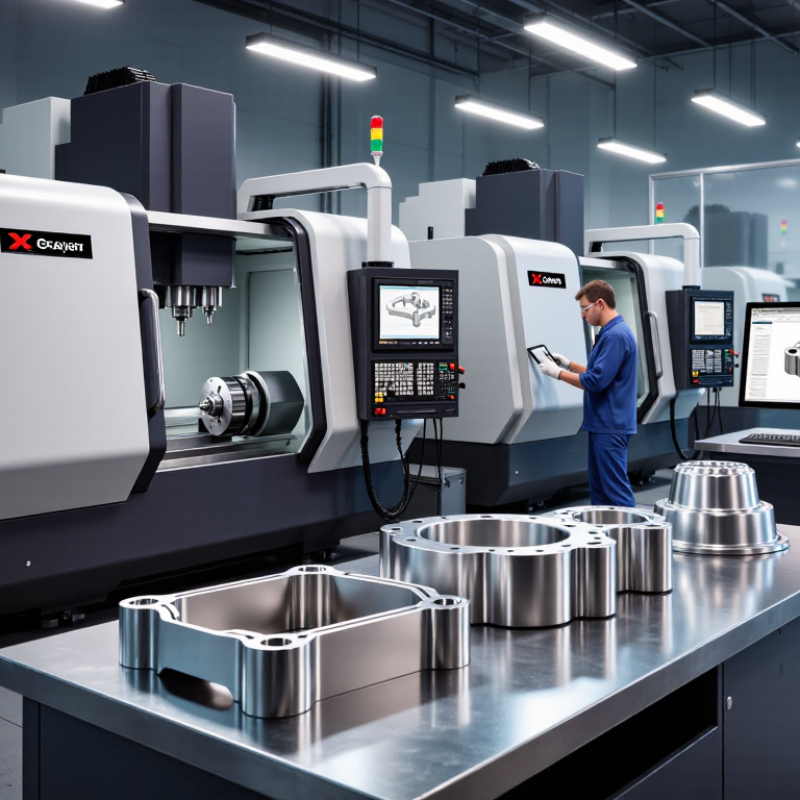
2026 Top Aluminum CNC Machining Suppliers?

What Aluminum CNC Machining Suppliers Provide

Aluminum CNC machining suppliers provide more than cut metal parts. They review drawings, recommend suitable alloys, and flag features that may be difficult to machine. For example, a deep, narrow pocket can require longer tooling and tighter process control. A practical supplier explains these trade-offs before production begins. Not every design needs a redesign, though. Sometimes a small change to a corner radius can reduce tool wear and machining time.

Their services may include milling, turning, drilling, deburring, surface finishing, and inspection. Ask what inspection records are available, such as dimensional reports or material certificates. For a fit-critical component, confirm how key dimensions will be measured and how often samples are checked. Clear answers matter. Lead times, minimum order quantities, packaging, and communication during production also shape the experience. I’ve found that these details are easy to overlook until a shipment is late or a part arrives with a marked surface.

Tips: Send a complete drawing with tolerances, alloy, finish, and quantity.
Identify the dimensions that affect assembly most.
Ask for a sample when the geometry is unfamiliar.
Compare quotations carefully; a low price may exclude finishing or inspection.
And leave room for questions. A rushed specification can create avoidable rework.

How to Evaluate Suppliers for 2026 Projects

For 2026 aluminum CNC projects, evaluate suppliers against the part you actually need, not a polished capability list. Send a representative drawing with tolerances, finish requirements, and expected quantities. Ask how the shop will hold thin walls, prevent chatter, and manage heat during cutting. Specific answers matter. “We can machine aluminum” is not enough.

Review inspection practices before comparing prices. Ask for sample measurement records, gauge calibration details, and a first-article inspection plan. For tight bores or flatness requirements, confirm how the supplier measures them and when checks happen. Request material traceability documents if your application needs them. A certificate alone does not prove that every feature meets specification. Check that quoted tolerances are realistic for the alloy, geometry, and production volume.

Capacity and communication deserve equal attention. Ask about typical lead times, machine availability, and how engineering changes are handled after approval. A small pilot run can reveal burrs, inconsistent finishes, or packaging that damages edges. It costs time. It may prevent larger delays later. Compare quotations line by line, including setup, finishing, inspection, and shipping assumptions. One detail is easy to miss: unclear drawings can make even a capable supplier quote the wrong process. Revisit your requirements with them before placing a production order.

Profiles of Leading Aluminum CNC Machining Suppliers

Profiles of Leading Aluminum CNC Machining Suppliers

Leading aluminum CNC machining suppliers differ in more than machine count. A capable shop can explain how it controls material choice, tool wear, and chip removal. These details matter when machining 6061 or 7075 parts with thin walls. Look for suppliers that discuss tolerances in relation to part geometry, rather than promising one number for every feature. A small test cut can reveal chatter, burrs, or unwanted distortion. Details matter.

Some suppliers focus on prototypes and short runs, where quick setup changes are valuable. Others are better equipped for repeat production, with documented inspection steps and stable process settings. Ask how they measure critical bores, flatness, and hole positions. A clear inspection report should identify the instrument and the measured result. Photos help, but they are not a substitute for dimensional data. Be wary of vague answers.

A strong supplier profile should also describe finishing and packaging options. Anodizing can change dimensions slightly, so fits may need allowance before machining. Ask who checks parts after finishing and how components are protected from scratches during shipping. Response time is useful, but it cannot prove process control. Even experienced shops make occasional mistakes; what matters is whether they investigate the cause and explain corrective steps. That conversation can be revealing.

Comparing Capabilities, Quality, and Lead Times

2026 Top Aluminum CNC Machining Suppliers?

Comparing capabilities, quality, and lead times starts with the part, not the machine count. A supplier should explain how alloy, wall thickness, and finish affect the process. Ask whether its quoted tolerance applies across the whole part or only to critical features. That distinction matters when a flat, thin aluminum plate must remain true after machining. Look for documented inspection methods, calibrated equipment, and a first-article report tied to your drawing. Small details count.

Market growth makes careful screening more important. Grand View Research’s 2024 CNC machine market report estimated the global market at about $101.2 billion in 2023, with projected growth through 2030. That figure describes the wider equipment market, not aluminum supplier performance. It does, however, point to a competitive and changing manufacturing sector.

Compare suppliers using the same drawing, alloy, quantity, finish, and inspection requirements. Then ask for separate dates for programming, first article, and full production.

A fast quote is not a fast delivery. Check how the supplier handles tool wear, chip evacuation, and rework; these can quietly extend schedules.

I would still treat any promised lead time as provisional until capacity and material availability are confirmed. A little skepticism helps.

How to Match a Supplier to Your Project Requirements

For a CNC aluminum project, match the supplier to the part’s actual risks, not a broad “top supplier” ranking. Share the alloy, temper, annual volume, drawing revision, and critical dimensions before requesting a quote. Ask which machines will run the part, how thin walls will be supported, and how the supplier checks features such as deep bores or flatness. A sample inspection report can show whether measurement methods suit your tolerances. Ask for evidence.

Material traceability matters when strength, corrosion resistance, or weight affects performance. Request the mill certificate and confirm the proposed alloy and temper match the drawing. If recycled content matters, ask how it is documented. The International Aluminium Institute reports that recycling aluminum uses about 5% of the energy required for primary production; that figure supports a sustainability conversation, but does not verify a supplier’s specific material claim. Check the paperwork.

Before production, compare lead time, finishing options, inspection frequency, and the supplier’s process for handling design changes. A prototype can reveal tool marks, burrs, or distortion that a quote cannot. I would not assume a tight tolerance is necessary everywhere; it can add cost without improving function. Still, relaxing a dimension should follow a design review, not a rushed price negotiation. Ask for a first-article inspection plan and clarify who approves deviations.

FAQS

What should an aluminum CNC machining supplier provide besides machined parts?

A capable supplier reviews drawings, recommends suitable alloys, and identifies difficult features. A deep, narrow pocket may require longer tools and tighter control. Small radius changes can sometimes reduce tool wear.

Which services might an aluminum CNC machining supplier offer?

Services may include milling, turning, drilling, deburring, surface finishing, and inspection. Confirm each service before ordering. Some quotes exclude finishing or inspection.

What information should I include in a machining request?

Send drawings with tolerances, alloy, surface finish, quantity, and important assembly dimensions. Mark fit-critical features clearly. Missing details create avoidable rework.

How can I evaluate machining quality?

Ask for dimensional reports and material certificates. Confirm how bores, flatness, and hole positions are measured. Photos are useful, but they cannot replace measurement data.

Should I request a sample part?

A sample helps when the geometry is unfamiliar or includes thin walls. It can reveal chatter, burrs, and distortion. Still, one sample cannot prove long-term process stability.

How do aluminum alloys affect machining decisions?

Common alloys such as 6061 and 7075 can behave differently during machining. Thin walls need careful tool selection and chip removal. A supplier should explain these trade-offs clearly.

What should I ask about surface finishing and packaging?

Ask how finishing affects dimensions, especially when anodizing changes fit allowances. Confirm who inspects parts afterward. Packaging should protect surfaces from scratches during shipping.

How should I compare supplier quotations?

Compare lead time, minimum quantity, tooling, finishing, inspection, packaging, and communication. A low price may omit important steps. I might overlook these details until delivery becomes late.

How should a supplier handle machining mistakes?

Even experienced suppliers can make occasional errors. Ask whether they investigate the cause and describe corrective actions. A quick reply is helpful, but it does not prove process control.

Conclusion

Choosing the right Aluminum Cnc Machining supplier for 2026 projects requires more than comparing prices. Reliable suppliers should offer precision milling and turning, material expertise, design-for-manufacturing support, surface finishing, inspection services, and scalable production. When evaluating potential partners, consider their equipment, engineering capabilities, quality management systems, communication processes, production capacity, lead times, and ability to meet technical documentation requirements.

A useful comparison should focus on proven consistency, dimensional accuracy, finishing quality, responsiveness, and delivery reliability rather than marketing claims alone. Leading suppliers may differ in their strengths, such as rapid prototyping, complex geometries, high-volume manufacturing, or specialized tolerance control. The best choice depends on your project’s material grade, part complexity, required quantity, budget, certification needs, and delivery schedule. By matching supplier capabilities with specific production requirements, businesses can reduce manufacturing risks, improve product quality, and build a dependable supply relationship for future projects.

Amelia

Amelia

Amelia is a seasoned marketing professional with a wealth of expertise in our company’s core offerings. With an unwavering passion for driving growth and innovation, she plays a pivotal role in shaping our marketing strategies and enhancing brand visibility. A key aspect of her responsibilities......