
How to Choose a CNC Auto Parts Manufacturer?
Choosing a CNC auto parts manufacturer is not just a price comparison. A turned aluminum housing may look flawless, yet a slightly misplaced bore can disrupt assembly and trigger costly rework. Ask how the supplier controls dimensions, material batches, and changes between production runs. Small details matter.
The International Federation of Robotics’ World Robotics 2024 report recorded about 135,000 industrial robot installations in the automotive industry in 2023. That scale highlights why consistent processes and reliable inspection matter. It does not prove that any supplier’s parts are accurate. Request evidence: inspection records, sample measurements, material certificates, and a clear plan for handling defects. For Cnc Auto Parts Manufacturing, also check whether the supplier can meet your volume, tolerances, and delivery schedule without weakening quality controls.
Taiichi Ohno, a key figure in the Toyota Production System, is often credited with the principle, “Where there is no standard, there can be no kaizen.” It offers a useful test: can a manufacturer explain its standards, then show how it improves them? Look for documented work instructions, calibrated measurement equipment, and communication from engineers who understand your drawings. Visit the shop if possible. Watch a part being measured.
A polished sales presentation is not proof. And one sample is not a production history. Compare suppliers using the same part specifications and questions. Then verify their claims against records, not promises. No checklist removes all risk, but careful qualification makes a poor fit easier to spot.
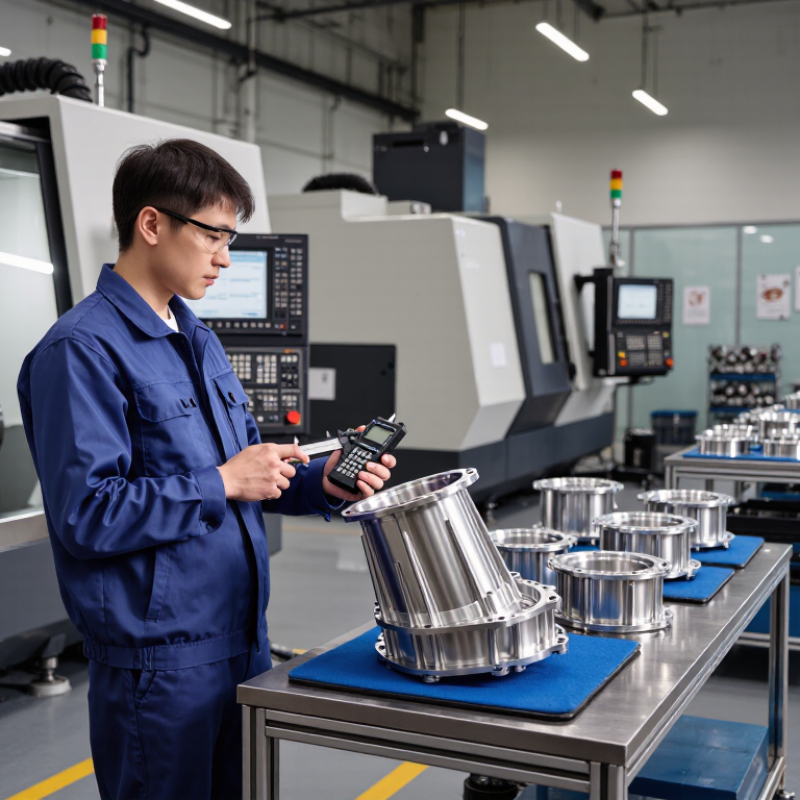
Define Your CNC Auto Parts Requirements
Define Your CNC Auto Parts Requirements
Before comparing manufacturers, describe what each part must do in the vehicle or assembly. Note its location, load, operating temperature, vibration exposure, and contact with fluids. A bracket beneath a hood, for example, may need different material and corrosion protection than an interior adjustment knob. Small details matter. If a requirement is still uncertain, mark it for discussion instead of guessing.
Prepare a current drawing or 3D model with units, critical dimensions, datum references, and tolerances. Specify the material grade, surface finish, edge condition, and any heat treatment or coating. Avoid applying tight tolerances to every feature; they can increase machining time without improving how the part works. In practice, unclear callouts often lead to avoidable questions and mismatched expectations. Check that the drawing matches the latest design revision.
Estimate annual demand, order size, and likely changes to the design. Tell the supplier which dimensions affect fit or safety, and ask how these will be inspected. You may request measurement records for critical features, along with details about material traceability and process controls. A sample inspection plan can reveal gaps early. I have seen teams overlook packaging, only to find machined edges damaged in transit. It is easy to miss. Include packaging and delivery conditions in the requirements, then review them against your actual handling and assembly process.
FAQS
Describe the part’s location, load, temperature, vibration, and fluid exposure. A hood bracket may need different protection than an interior knob. Small details matter.
Provide a current drawing or 3D model with units, critical dimensions, datums, and tolerances. Include material grade, surface finish, edge condition, and any required treatment. Check the revision.
No. Tight tolerances can add machining time without improving function. Identify dimensions that affect fit or safety, then discuss uncertain requirements instead of guessing.
Ask for a sample inspection report and the gauges used for critical features. Request measurement records, material traceability details, and process controls. One sample proves little.
Check that machine types and working ranges suit your part’s geometry and size. Ask how the team controls bearing bores, threaded holes, and sealing surfaces. A capability sheet alone is not enough.
Compare material, setup, inspection, finishing, packaging, and shipping costs. For aluminum brackets, confirm whether deburring and dimensional inspection are included. A low unit price can hide extra charges.
Separate estimates for programming, first-article approval, machining, and finishing. Ask about available machine hours, current queues, monthly output, and recent delivery performance. Plans can slip.
Machined edges can be damaged during transit, so specify packaging and delivery conditions. Ask how drawing revisions and out-of-tolerance results are handled. I might still overlook a detail; review the plan with your assembly team.
Conclusion
Choosing the right CNC auto parts manufacturer starts with clearly defining your project requirements, including part dimensions, materials, tolerances, expected quantities, and intended application. With these details established, you can assess whether a manufacturer has suitable machining equipment, technical expertise, and experience producing components to your specifications. The goal is to find a partner capable of supporting both the design requirements and the practical demands of your production schedule.
Next, review the manufacturer’s quality-control processes and relevant industry certifications, then compare pricing, lead times, and available production capacity. Consider how the company communicates, responds to questions, and provides support when requirements change or challenges arise. A dependable Cnc Auto Parts Manufacturing partner should offer a clear, consistent process and demonstrate the ability to meet your quality and delivery expectations over time. Looking at these factors together can help you make a well-informed choice and build a productive long-term relationship.
